

Birt-Hogg-Dubé syndrome
BHD; Hornstein-Knickenberg syndrome (older); folliculin syndrome
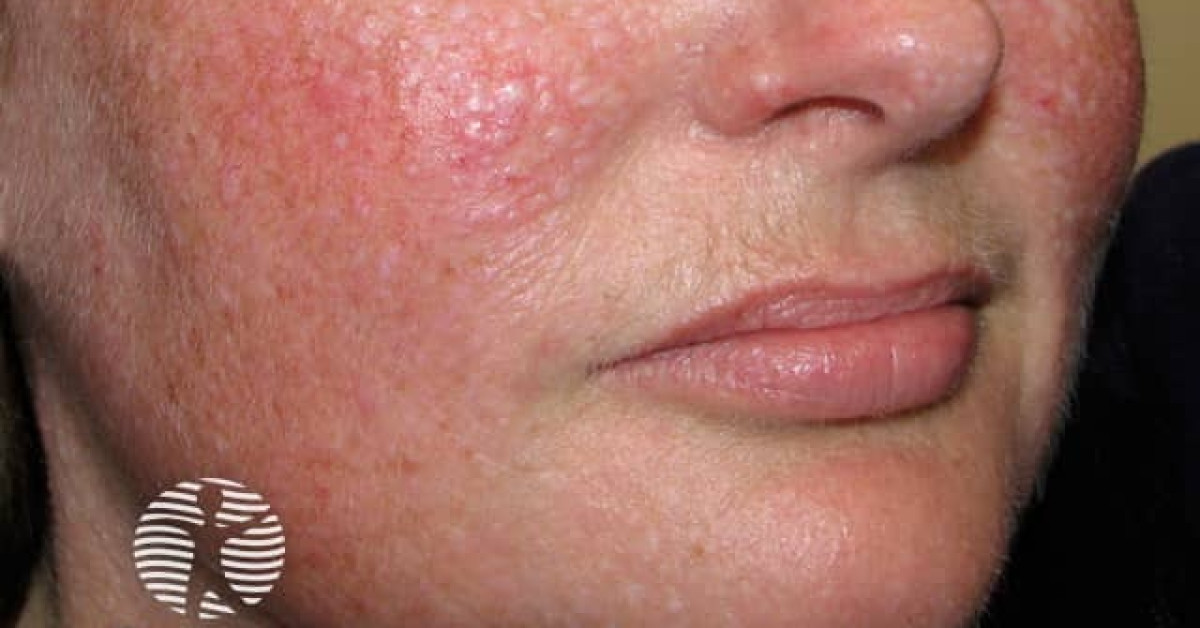
Birt-Hogg-Dubé syndrome is an autosomal dominant cancer-predisposition syndrome caused by germline loss-of-function mutations of the FLCN tumour-suppressor gene encoding folliculin, on chromosome 17p11.2. Affected individuals develop a characteristic triad of (1) fibrofolliculomas, trichodiscomas and acrochordons on the face and upper trunk from the third decade — the dermatologist's clue to the diagnosis; (2) multiple basal pulmonary cysts and a markedly increased lifetime risk of spontaneous pneumothorax (~30–40%); and (3) a substantially elevated lifetime risk of renal cell carcinoma (~25–35%) — characteristically chromophobe, hybrid oncocytic-chromophobe or oncocytoma, often bilateral and multifocal. Recognition by the dermatologist or plastic surgeon and prompt referral for genetic confirmation and lifelong renal MRI surveillance can prevent renal cancer mortality.
Genetics
- Germline loss-of-function mutations of FLCN on chromosome 17p11.2 — encoding folliculin, a tumour suppressor implicated in mTOR, AMPK and HIF signalling.
- Autosomal dominant; high penetrance for skin lesions and pulmonary cysts; variable for RCC.
- De novo mutations are relatively common.
- Most pathogenic mutations affect a hotspot in exon 11 — the so-called "C8 tract".
Mucocutaneous features
- Fibrofolliculomas — multiple (often dozens to hundreds), small (1–3 mm), skin-coloured to white, dome-shaped papules concentrated on the face (nose, cheeks, forehead, ears), neck and upper trunk. Onset typically third to fourth decade.
- Trichodiscomas — clinically indistinguishable from fibrofolliculomas; histologically distinct (perifollicular fibrous proliferation).
- Acrochordons (skin tags) — multiple in unusual sites and from a young age (axillae, neck, eyelids).
- Oral fibromas — papules on the gums, lips and buccal mucosa.
- Histology of fibrofolliculoma: anastomosing strands of basaloid epithelium emanating from a central hair follicle, embedded in a fibromucinous stroma — pathognomonic.
Pulmonary disease
- Multiple, irregular, basal and subpleural pulmonary cysts on CT in >80% of adults.
- Lifetime risk of spontaneous pneumothorax ~30–40% — frequently the presenting feature; recurrent in many.
- Cysts are not progressive and rarely cause respiratory impairment, but the pneumothorax risk is substantial.
- Counsel patients to avoid smoking, scuba diving and high-altitude flight without medical clearance.
Renal cancer
- Lifetime renal cell carcinoma risk ~25–35%; median age at diagnosis 50–60.
- Histological subtypes are characteristically chromophobe RCC (~30%) or hybrid oncocytic / chromophobe (~50%) tumours; oncocytoma also overrepresented.
- Often bilateral and multifocal (multiple synchronous tumours).
- Generally indolent — but metastatic disease is well-described and renal screening is the single most important preventive intervention.
Diagnosis
- Suspect in any patient with multiple fibrofolliculomas, family history of pneumothorax / RCC, or unusual skin tags from a young age.
- Clinical European BHD Foundation diagnostic criteria — major criteria (≥5 fibrofolliculomas/trichodiscomas with ≥1 histologically confirmed; pathogenic FLCN mutation) and minor criteria.
- Skin biopsy of a representative facial papule.
- Genetic counselling and germline FLCN testing.
- Cascade testing of first-degree relatives.
Surveillance
- Renal — annual or biennial MRI of the kidneys from age 20–25, lifelong; ultrasound is less sensitive and not preferred.
- Pulmonary — baseline CT chest at diagnosis; counsel about pneumothorax symptoms; no role for surveillance imaging beyond baseline unless symptomatic.
- Skin — annual full-skin examination; cosmetic management of facial fibrofolliculomas as desired.
Management of skin and renal lesions
- Skin: cosmetic management — CO₂ laser ablation, electrosurgery, dermabrasion, shave excision; recurrence common; topical sirolimus emerging.
- Pneumothorax: standard chest-drain management; consider VATS pleurodesis after second event.
- RCC: nephron-sparing partial nephrectomy preferred (often bilateral / multifocal disease over a lifetime); active surveillance for <3 cm tumours given indolent biology; targeted / immunotherapy as per RCC protocols for advanced disease.
- Multidisciplinary care — dermatology, urology, respiratory medicine, clinical genetics.
References
- Menko FH et al. Birt-Hogg-Dubé syndrome — diagnosis and management. Lancet Oncol; 2009.
- Stamatakis L et al. Diagnosis and management of BHD-associated kidney cancer. Fam Cancer; 2013.
Spot a correction?
If any clinical statement, citation or link on this page needs updating, please email admin@skinoncology.net with the page name, the proposed correction and the supporting source.