

Skin oncology guidance for real clinical practice.
A free UK resource for clinicians looking after people with skin cancer. Find clear topics, practical tools, dermoscopy guidance, treatment summaries and plastic-surgery-led reconstruction pathways, all grounded in current evidence and UK practice.
For registered healthcare professionals. Not individual medical advice for patients.
Recent UK skin-oncology developments
Last 3 months, newest first. Aggregated daily from NICE, NHS England, BAD, RCPath and key journals. View the full archive →
Monthly UK skin-oncology digest
New NICE technology appraisals, NHS England commissioning, BAD & RCPath guidance, key trials and new monographs — curated for UK clinicians, once a month. Free. Double opt-in; unsubscribe anytime; your email is held by our newsletter provider, never on this site (see privacy).
What do you need to do?
- ~17,500
- UK melanomas / year 5th commonest UK cancer · ~2,300 deaths
- 100,000+
- UK BCCs / year commonest UK cancer overall
- ~50,000
- UK cSCCs / year most non-melanoma skin cancer mortality
- 65–100×
- cSCC risk in OTRs vs general population
Approximate UK annual figures from Cancer Research UK, NICE and BAD epidemiological summaries; keratinocyte cancer incidence is acknowledged to be under-recorded. See the melanoma, BCC, cSCC and transplant skin cancer monographs for sources and discussion.
Cutaneous malignancies
Cutaneous melanoma
Stage-directed multidisciplinary management; rapid evolution in immune checkpoint inhibitors.
Basal cell carcinoma
UK's commonest cancer. Slow, locally destructive — minimise recurrence and preserve form.
Cutaneous squamous cell carcinoma
Most non-melanoma mortality. Risk stratification drives margins, RT and surveillance.
Merkel cell carcinoma
Rare aggressive polyomavirus-driven tumour. Avelumab improved outcomes in metastatic disease (JAVELIN Merkel 200).
Cutaneous T-cell lymphoma
Mycosis fungoides and Sézary. TNMB staging; supraregional UK CTCL service referral.
Kaposi sarcoma
HHV-8 angioproliferative tumour. Classical, endemic, iatrogenic, AIDS-related variants.
Dermatofibrosarcoma protuberans
Indolent dermal sarcoma with COL1A1-PDGFB. Wide excision or Mohs; imatinib for advanced.
Atypical fibroxanthoma
Pleomorphic dermal sarcoma cousin — sun-damaged head and neck of older patients.
Sebaceous carcinoma
Periocular sebaceous Ca mimics chalazion. Mohs + Muir-Torre screening.
Field disease & in-situ
Lentigo maligna
Melanoma in situ on chronically sun-damaged facial skin. Staged excision, Mohs with immunostains, or imiquimod.
Actinic keratosis
UV-induced dysplasia, marker of field change. Field therapy and lesion-directed treatment.
Bowen's disease
Squamous cell carcinoma in situ. 5-FU, imiquimod, MAL-PDT, cryotherapy or excision.
High-risk groups
Transplant skin cancer
cSCC incidence roughly 65–100× higher in published OTR cohorts. Field therapy, mTOR conversion, transplant dermatology pathways.
Gorlin syndrome
Naevoid BCC syndrome — multiple BCCs, jaw cysts, palmar pits, medulloblastoma risk.
Familial melanoma
CDKN2A, CDK4, BAP1, POT1. Genetic counselling, intensified surveillance, ophthalmic review.
Point-of-care calculators
UK guideline-aligned. All calculations run in your browser — no data leaves your device.
Melanoma — AJCC 8
Breslow / ulceration / N / M → stage group with management prompts.
cSCC — Brigham & Women's
BWH T-stage with nodal and mortality risk estimates.
Follow-up scheduler
Stage-driven surveillance for melanoma, cSCC and BCC.
Reconstruction selector
Defect site → flap and graft options for facial sites.
Defect-driven reconstruction reference
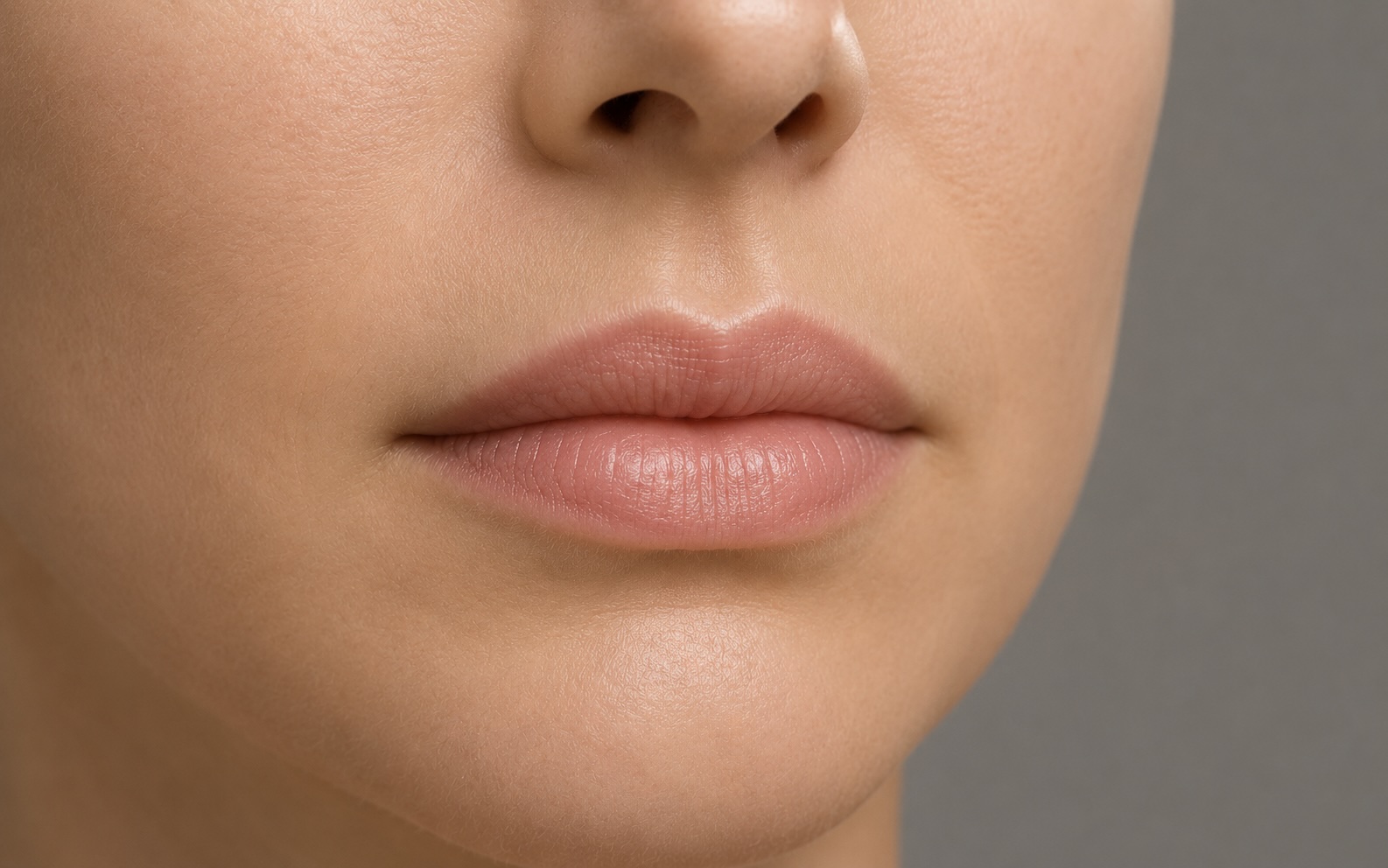
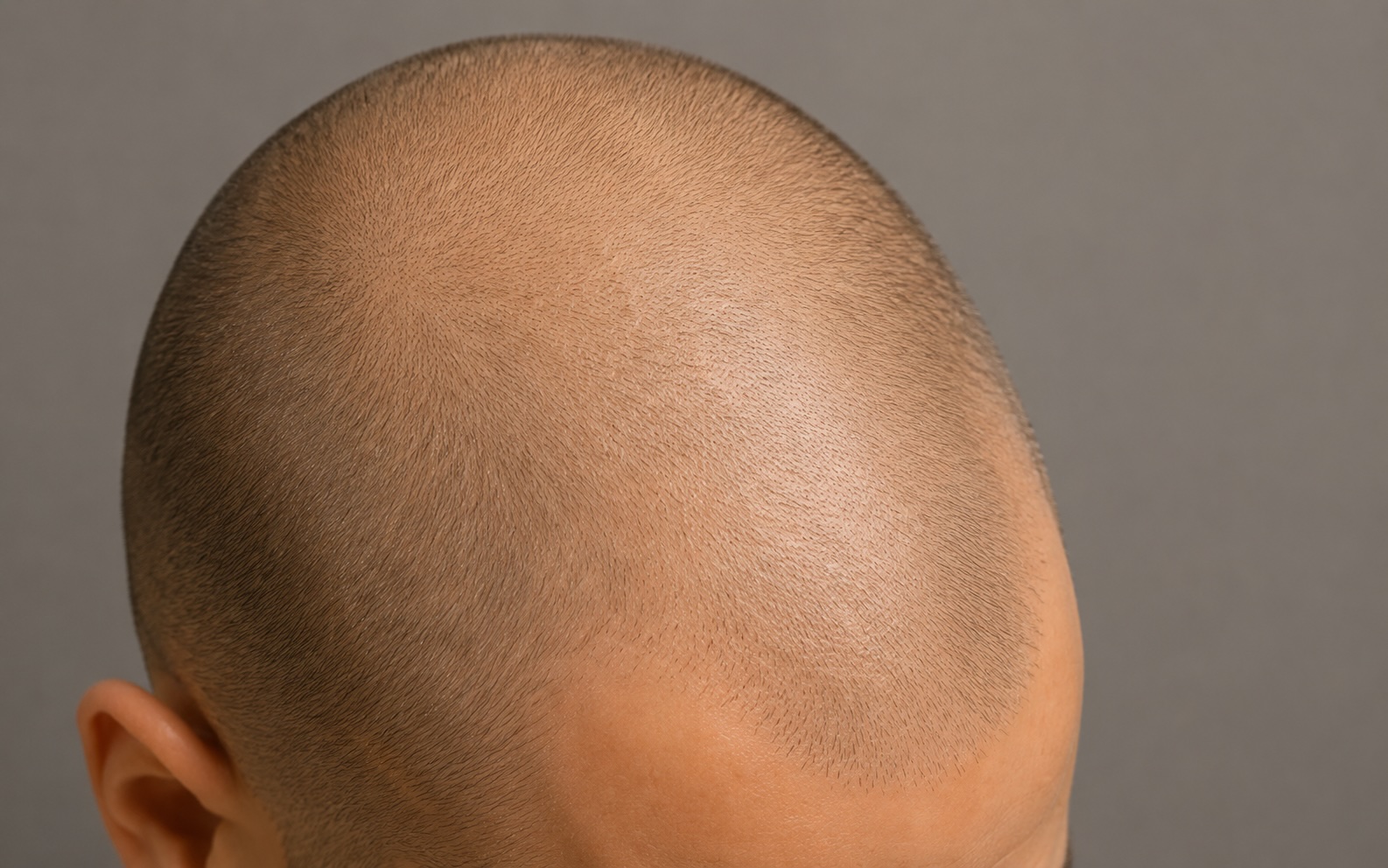
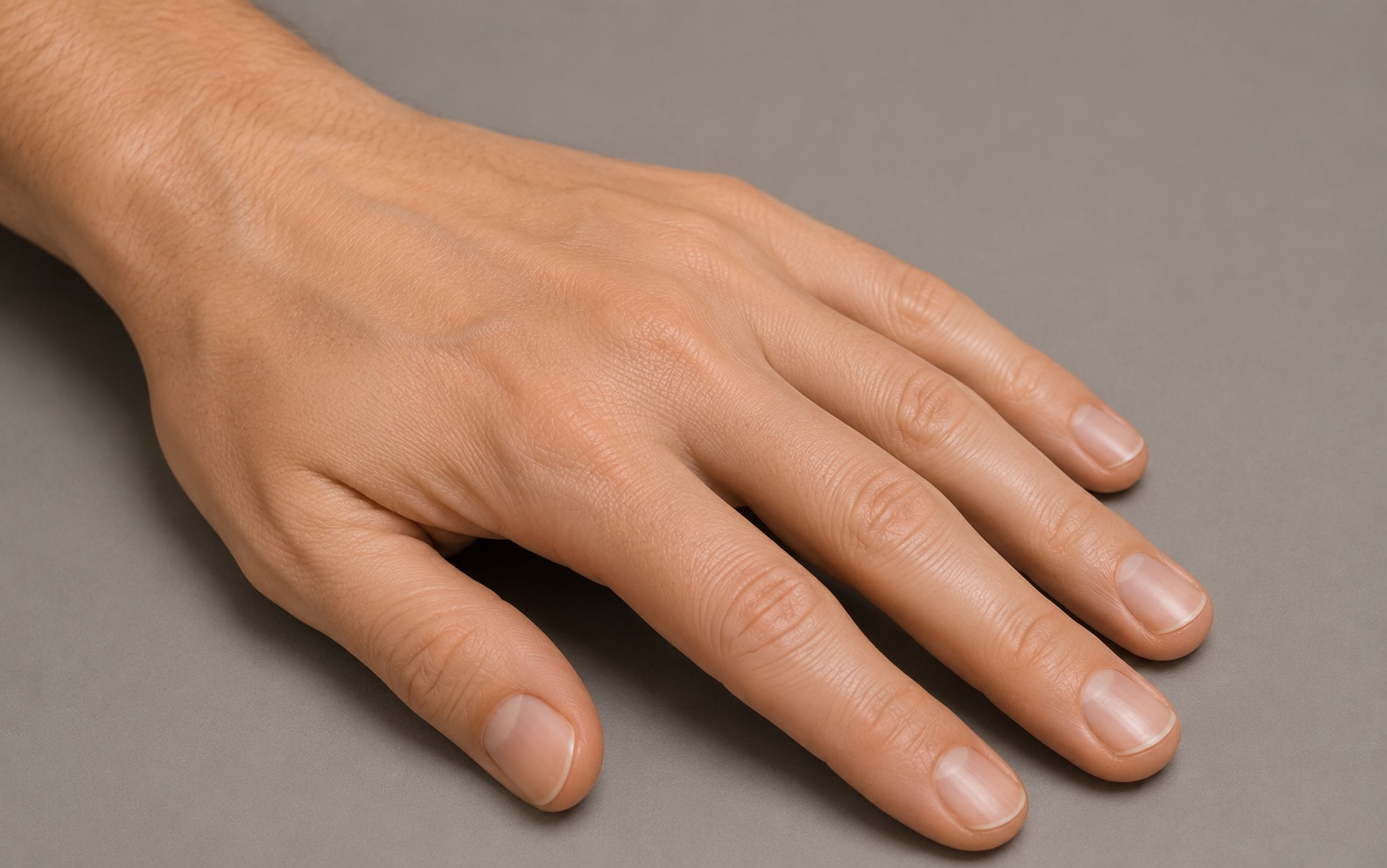
Most skin cancer references stop at the excision. We go further. Flap and graft selection by anatomical site, written by a consultant plastic surgeon. Cover the hardest reconstructive territory — nasal subunits, lip, eyelid, ear, scalp, hand — with the same evidence-driven structure as the rest of the site.
- ▢Subunit principlesBurget & Menick framework with site-specific subunit aesthetics.
- ↗Flap decision treesBy defect size, depth, anatomy and patient factors.
- ⊕Cartilage & liningThree-layer planning for full-thickness defects.
- ⚠PitfallsThe errors that cause aesthetic and functional failure.



Techniques & therapies
Procedure pages and drug monographs covering the full UK treatment armamentarium.
Mohs micrographic surgery
Margin-controlled surgery for high-risk facial BCC and selected cSCC.
Photodynamic therapy
Field treatment for AK, Bowen's disease and superficial BCC.
Radiotherapy
Definitive and adjuvant RT indications, planning and toxicity.
Cryotherapy
Lesion selection, freeze technique and when not to use it.
Pembrolizumab
Anti-PD-1 treatment across melanoma and selected skin cancers.
Cemiplimab
Systemic immunotherapy reference for advanced cutaneous SCC.
Vismodegib
Hedgehog pathway inhibition for advanced basal cell carcinoma.
Avelumab
Checkpoint inhibitor treatment for metastatic Merkel cell carcinoma.
From suspicion to follow-up
Six steps, end-to-end. Each links to the relevant NICE / BAD / NHS England guidance, the on-site calculators, and the related monographs — so the whole UK clinical journey is covered in one structured place.
Suspicion & referral
From primary-care suspicion to accepted specialist referral. Weighted 7-point checklist, teledermatology, urgent vs routine triage.
- NICE NG12 thresholds
- 2-week-wait + Faster Diagnosis Standard
- UK skin-of-colour equity gap
Diagnosis & biopsy
Choosing the right biopsy: punch, incisional, shave, excisional. Specimen handling, dataset-driven reporting, BRAF / MMR ancillary testing.
- RCPath melanoma / cSCC / BCC / MCC datasets
- Never shave a suspected melanoma
- MDT review timing
Staging
AJCC 8 for melanoma, BWH for cSCC, dedicated systems for MCC and conjunctival melanoma. Imaging thresholds, SLNB indications, perineural-spread workup.
- NG14 SLNB §1.4.3–4
- MRI for named-nerve PNI
- PET-CT for MCC
Treatment
Surgical margins (BAD), Mohs / staged excision, definitive and adjuvant RT, systemic therapy by stage. Adjuvant ICI, BRAF/MEK, hedgehog inhibitors, ADCs.
- NHS England URN 2426 (neoadjuvant)
- TA544 / TA684 / TA766 / TA837
- TA802 cemiplimab cSCC
Reconstruction
Defect-driven flap and graft selection by anatomical site. Subunit principles, three-layer reconstruction, cartilage and lining strategies.
- Burget & Menick subunit principle
- Nose / lip / eyelid / ear / scalp / hand
- Reconstructive ladder vs elevator
Follow-up
Stage-specific surveillance per NG14 §1.9.15, BAD 2020 / 2021. Self-examination, second-primary risk, OTR pathways, recurrence triage and end-of-life care.
- NG14 §1.9.15 melanoma table
- BAD cSCC/BCC risk-tiered schedules
- OTR lifelong MDT-agreed surveillance
Work through the diagnosis
Stepwise interactive cases from real UK practice. MCQs at each decision point with detailed feedback.
A changing pigmented lesion on the back
42-year-old; 7 mm pigmented macule. Work up the lesion, interpret the dermoscopy, plan the excision.
Non-healing ulcer of the lower lip
68-year-old smoker. Risk-stratify with BWH, plan Karapandzic reconstruction.
Multiple lesions in a renal transplant recipient
Plan field and lesion-directed therapy and immunosuppression conversion.
A rapidly growing scalp nodule
Build the differential. Final diagnosis: Merkel cell carcinoma.
Use it on your phone in clinic, on your desktop in MDT, or print as PDF for the ward.
Designed for fast lookup, deep reading and offline-friendly print. Free, no account needed.
Source basis
- This page was launch-reviewed on 19 May 2026. See the source-control register for the NICE, NHS England, BAD, RCPath, WHO, AJCC / TNM and pivotal-trial sources used across the site; check live guidance and local MDT policy before applying recommendations.
Spot a correction?
If any clinical statement, citation or link on this page needs updating, please email admin@skinoncology.net with the page name, the proposed correction and the supporting source.